🏠 Introduction
Raising crickets at home is one of the easiest and most sustainable ways to produce your own high-protein food source.
The good news?
You don’t need a farm or large space you can start a small cricket farm inside your home with just a few containers and the right environmental conditions.
In this guide, you’ll learn exactly how to raise crickets at home, including setup, temperature, feeding, breeding, and harvesting.
📦 1. Space and Environment Requirements
You can raise crickets in a small room or dedicated indoor space, as long as you can control:
- 🌡️ Temperature
- 💧 Humidity
- 🌬️ Ventilation
The space doesn’t need to be large, but it should be:
- well-ventilated
- relatively stable in temperature
- somewhat isolated (to manage noise during breeding)

🧺 2. Choosing the Right Containers
To start, you only need 2–3 plastic containers.
Recommended size (minimum):
- Height: 40 cm (≈ 16 inches)
- Width: 25–30 cm (≈ 10–12 inches)
- Depth: 40 cm (≈ 16 inches)
You can scale up later with larger containers.
👉 Use rigid plastic bins (transparent or opaque both work).
Each container can hold hundreds to thousands of crickets, depending on density and setup.

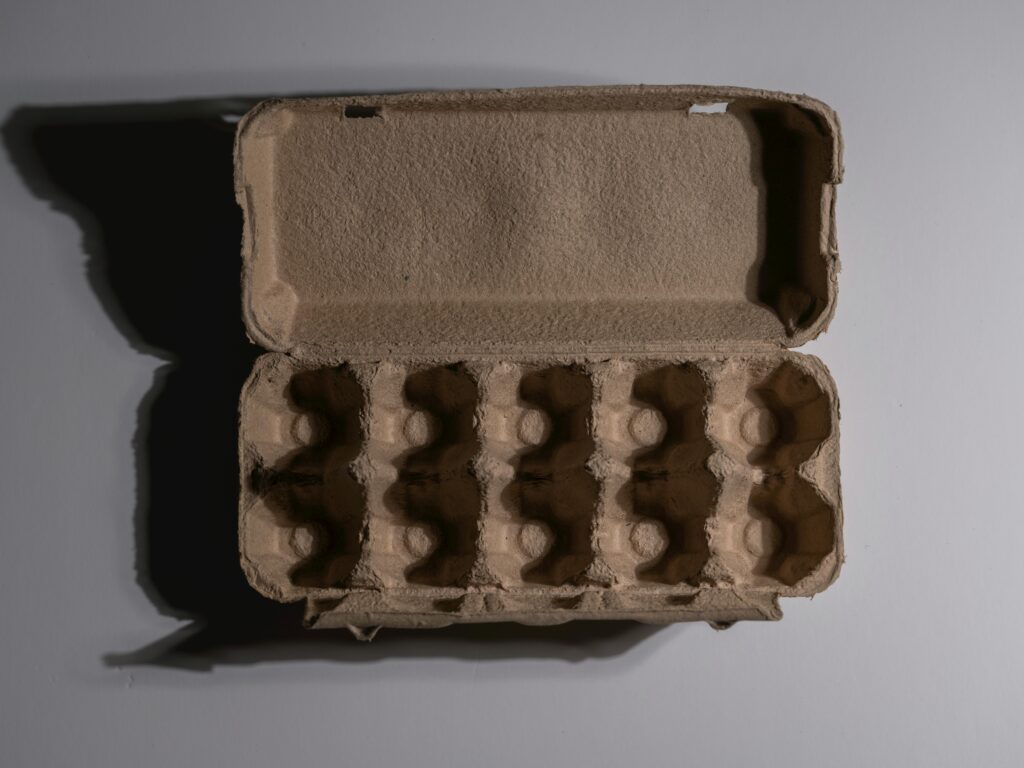
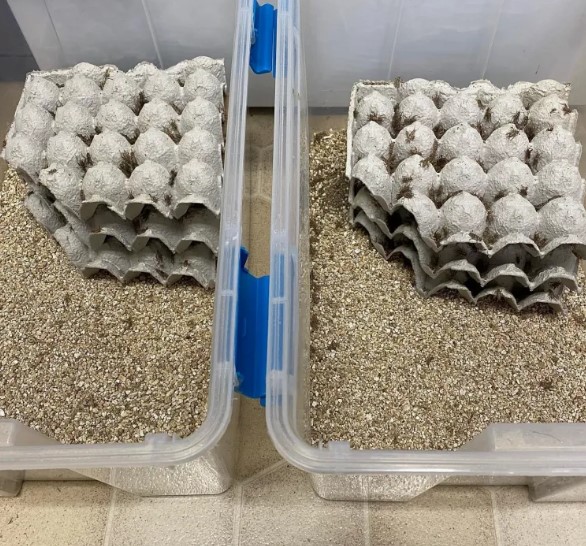
🧱 3. Internal Structure: Egg Cartons
Inside each container, you need to create structure.
The best material:
- 🥚 Egg cartons
Alternatives:
- cardboard bottle dividers
- similar recycled cardboard materials
These provide:
- climbing surfaces
- hiding spaces
- microclimates (warm/dark zones)
Crickets naturally need vertical space and shelter to thrive.
🌡️ 4. Temperature and Humidity (CRUCIAL)
This is the most important factor.
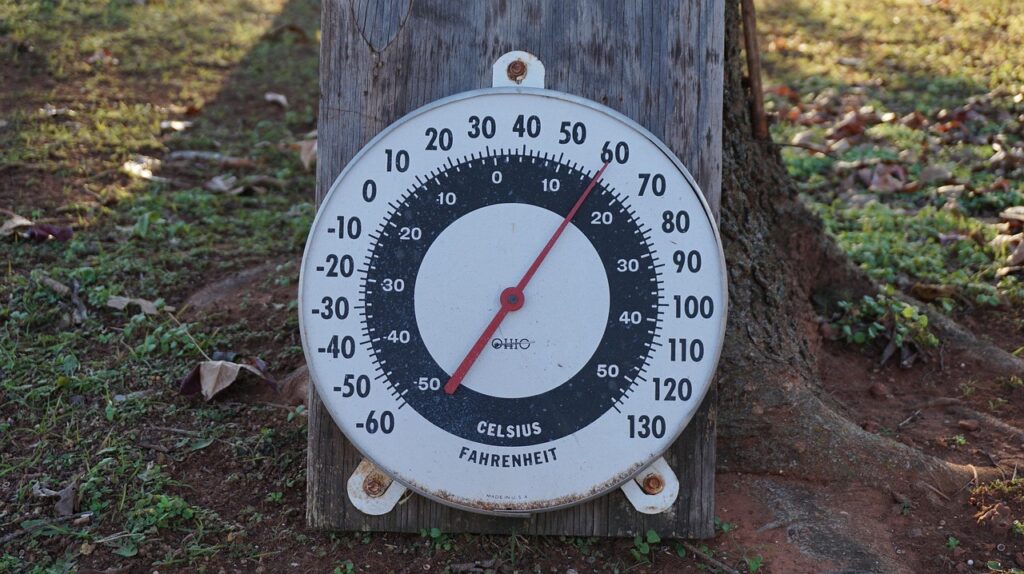
Ideal conditions:
- Temperature: 28°C (≈ 82°F)
- Humidity: 50–60%
At lower temperatures (e.g., 15°C / 59°F):
- crickets won’t die
- but growth becomes extremely slow
- they may never reach optimal size
👉 Keeping a stable temperature around 28°C (82°F) ensures:
- faster growth
- healthier crickets
- better reproduction rates
🥕 5. Feeding Your Crickets
Crickets are easy to feed.
Main options:
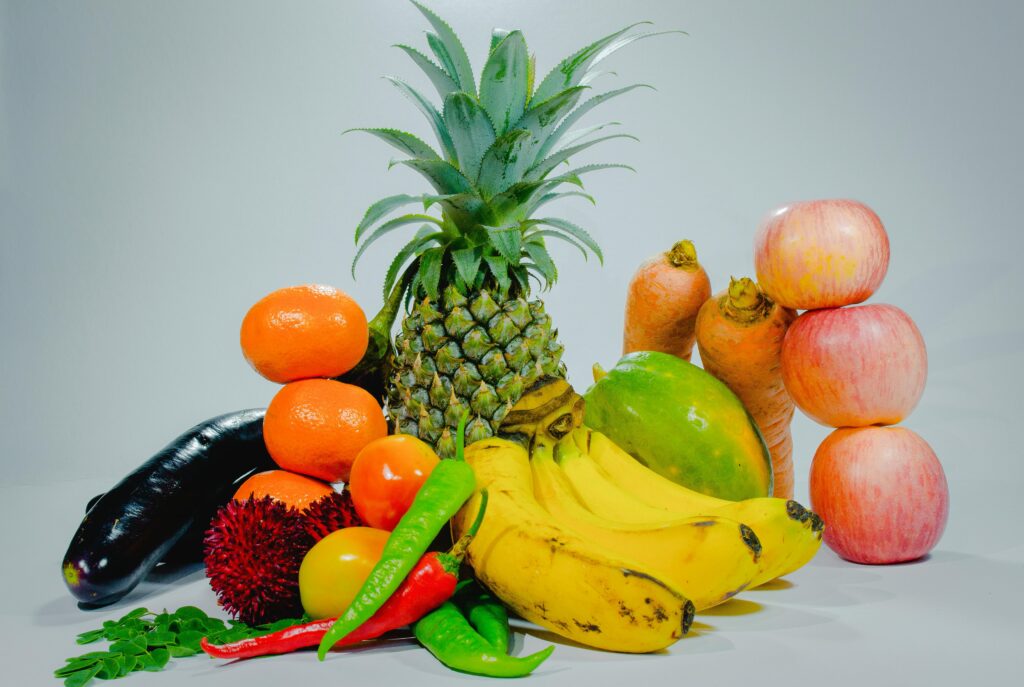
- 🐥 chick feed (very effective)
- 🌾 grains and cereals
- 🍎 fresh fruits and vegetables
Important tip:
Fruit and vegetables also act as a water source, helping keep crickets hydrated.
💧 6. Water: Avoid Drowning
⚠️ Never place open water containers inside.
Crickets can easily drown.
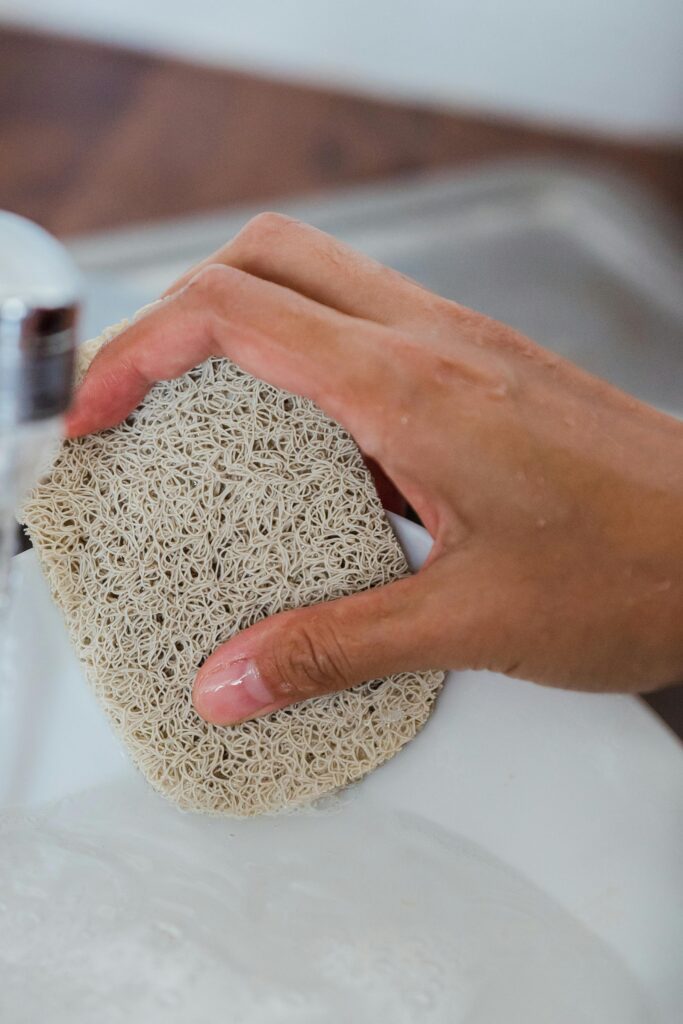
Safe hydration methods:
- wet paper towels
- natural sponges soaked in water
- fresh fruit (like apple, carrot, etc.)
👉 These should be:
- kept moist
- changed daily
👃 7. Smell and Maintenance
Cricket farms produce a mild natural smell, similar to other small animals.
To keep it under control:
- clean containers regularly
- remove waste (frass)
- replace old food
With proper maintenance, odor remains minimal.
🔊 8. Noise: What to Expect
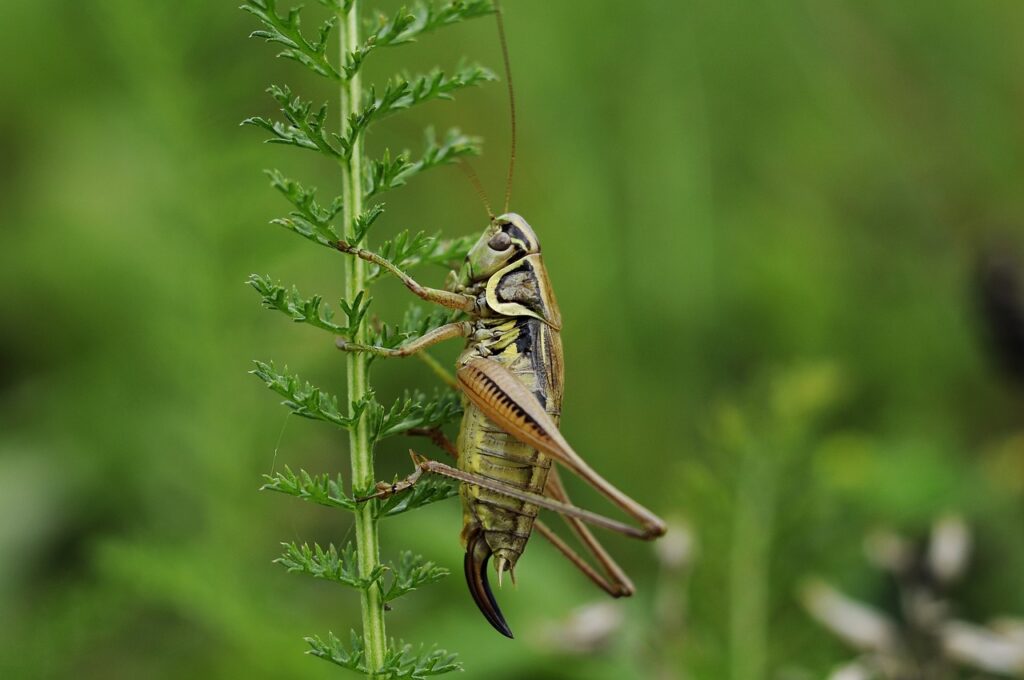
Crickets are mostly quiet — except during reproduction.
After about 3–4 weeks, males begin to:
- rub their wings
- produce the classic chirping sound
👉 This is a sign they are ready to breed.
🥚 9. Breeding and Egg Laying
When crickets start chirping, it’s time to introduce a laying container.
What you need:
- a small tray with moist coconut fiber (coco coir)
Process:
- Place the tray inside the container
- Leave it for 24 hours
- Remove it (to track laying date)
Egg production:
- One female can lay 400–600 eggs
🐣 10. Incubation and Hatching
After removing the egg tray:
Incubation conditions:
- Temperature: 28°C (82°F)
- High humidity (keep fiber moist)
Hatching time:
- 10–13 days
Tiny crickets (pinheads) will begin to emerge.
👉 You can repeat this process daily using multiple trays.
📈 11. Growth and Harvesting
Crickets grow quickly under ideal conditions.
- Ready in about 3–4 weeks
- At full size after about 1 month
Ethical harvesting:
The most common method is:
- placing crickets in the freezer
This allows them to:
- fall asleep
- die without suffering
Afterward, they can be:
- dried
- ground into cricket flour
- used in recipes
🌱 Final Thoughts
Starting a home cricket farm is:
- simple
- low-cost
- scalable
- highly sustainable
With just a few containers and the right conditions, you can produce your own eco-friendly protein source at home.
📢 Call to Action
Interested in turning your crickets into food?
Check out our cricket flour recipes and learn how to transform your harvest into sustainable, high-protein meals.