Is cricket flour safe to eat? Learn how it’s produced, regulated, and consumed, plus who should avoid it and how to use it safely in everyday recipes.
🔍 Introduction
Cricket flour is gaining popularity as a sustainable, high-protein ingredient, but one question comes up again and again:
Is cricket flour safe to eat?
If you’re new to edible insects, it’s completely normal to be cautious. In this article, we’ll break down everything you need to know about cricket flour safety — from regulations and production standards to allergies and best practices in the kitchen.
🦗 1. What Exactly Is Cricket Flour?
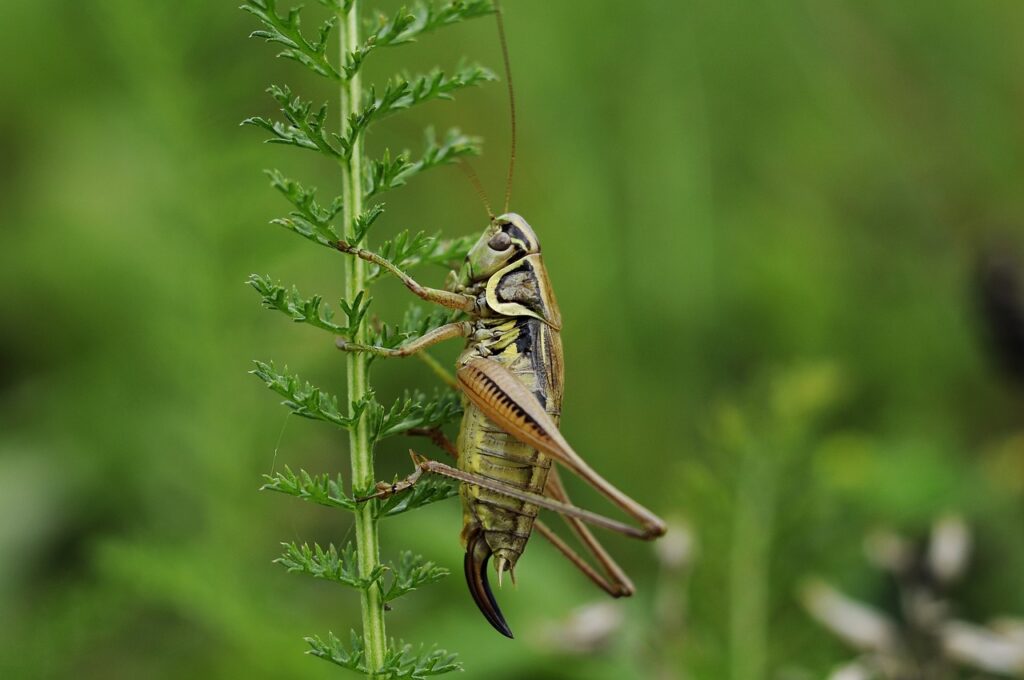
Cricket flour (also called cricket powder) is made from:
- Farmed crickets raised for human consumption
- Gently roasted to eliminate bacteria
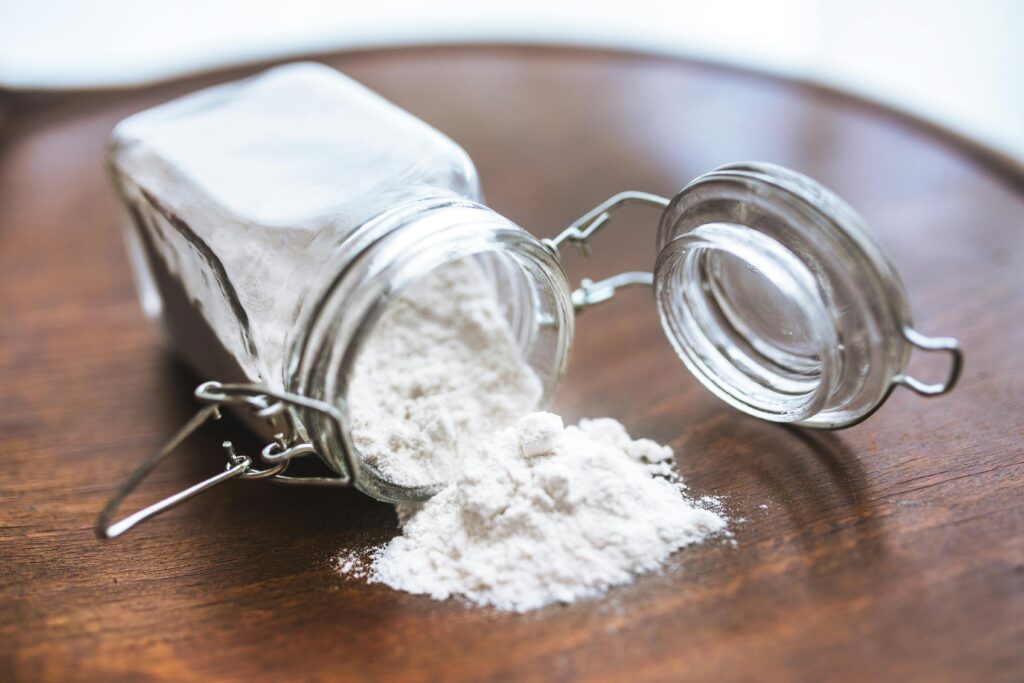
- Finely ground into a flour-like powder
It contains no additives or preservatives and is often used as a partial substitute for traditional flour in baking and cooking.
✅ 2. Is Cricket Flour Approved for Human Consumption?
Yes — in many parts of the world.
In the European Union, crickets are approved as a novel food, meaning they:
- have passed safety assessments
- meet strict hygiene and production standards
- are legally allowed for sale and consumption
In countries like the United States, Canada, and Australia, cricket flour is also considered safe when produced by certified farms following food safety regulations.
🧪 3. How Is Cricket Flour Made Safe?
Reputable cricket flour producers follow strict processes:
- ✔️ Controlled farming environments
- ✔️ Clean, plant-based feed
- ✔️ Heat treatment (roasting)
- ✔️ Microbiological testing
- ✔️ Proper packaging and labeling
This ensures the final product is safe, shelf-stable, and suitable for cooking.
⚠️ 4. Allergies: Who Should Be Careful?
This is an important point.
Crickets are biologically related to shellfish, so people who are allergic to:
- shrimp
- crab
- lobster
- dust mites
may also react to cricket flour.
👉 If you have known shellfish allergies, consult a doctor before trying insect-based foods.
For everyone else, cricket flour is generally well tolerated.
🍪 5. Is It Safe to Cook and Bake with Cricket Flour?
Absolutely.
Cricket flour is:
- heat-stable
- easy to digest
- suitable for baking, blending, and cooking
Best practices:
- Use it as 10–25% of total flour
- Store it in a cool, dry place
- Keep containers sealed to preserve freshness
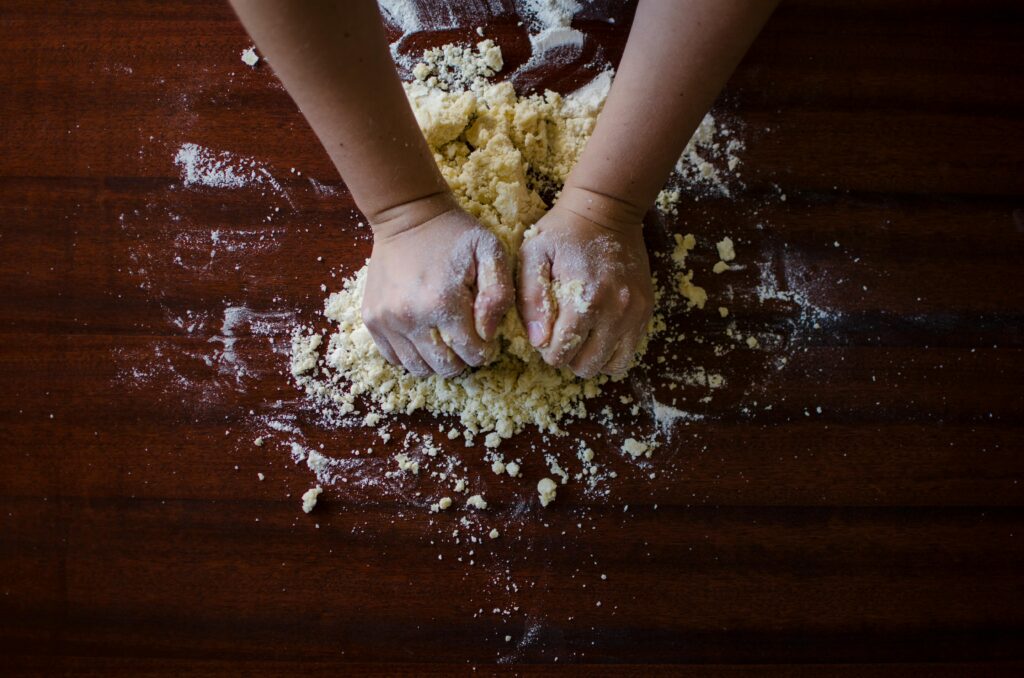
Popular uses include:
- pancakes
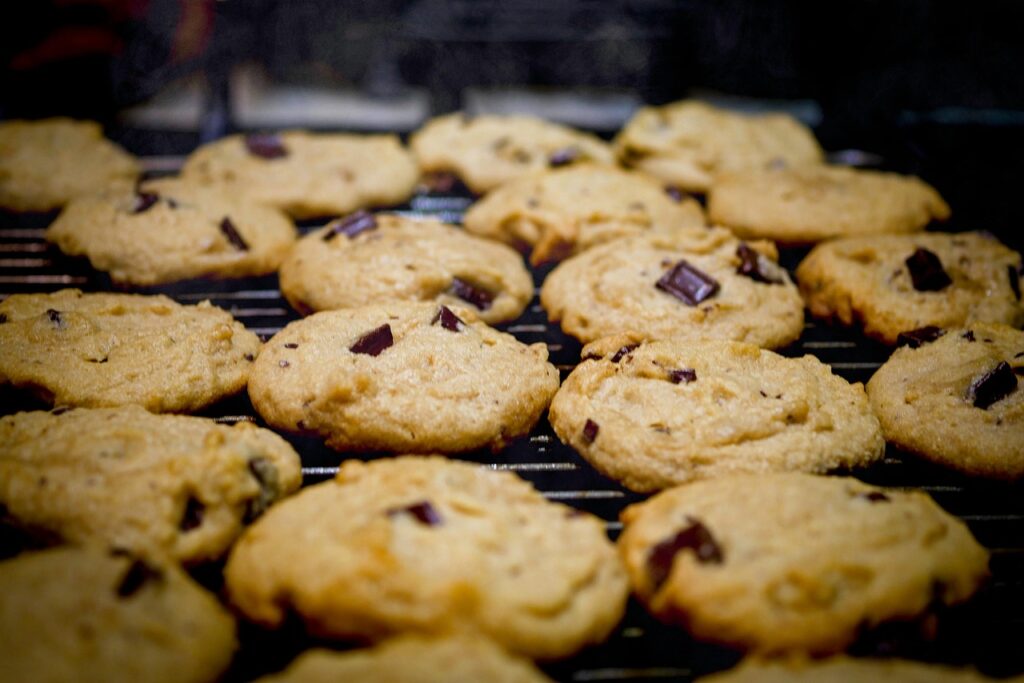
- cookies
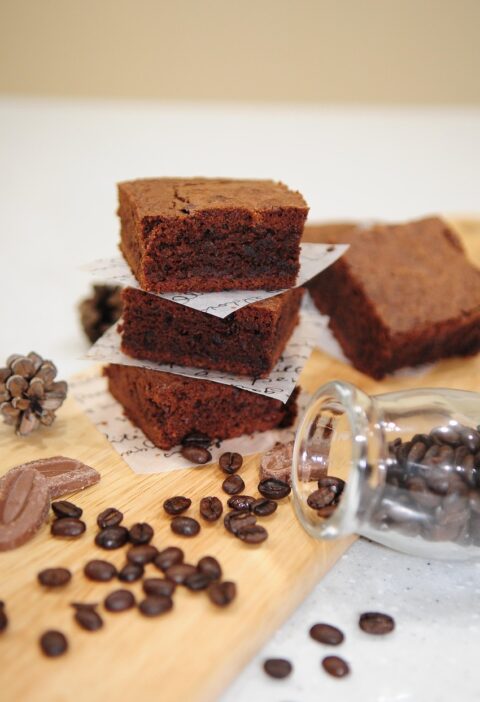
- brownies
- energy balls
- smoothies
💪 6. Nutritional Safety and Benefits
Beyond safety, cricket flour offers impressive nutritional value:
- Complete protein (all essential amino acids)
- High in vitamin B12
- Rich in iron and calcium
- Naturally gluten-free
When consumed in normal quantities, it’s not only safe it’s nutritionally beneficial.
🌱 7. Sustainability and Food Safety Go Hand in Hand
One advantage of insect farming is traceability.
Crickets:
- are raised indoors
- require minimal antibiotics
- have short life cycles
- are easier to monitor than large livestock
This reduces the risk of contamination and makes cricket farming one of the cleanest protein systems available.
📢 Call to Action
Ready to try cricket flour safely and deliciously?
Start with our Cricket Flour Pancakes, Chocolate Chip Cookies, or explore all our cricket-based recipes!