
Discover what “novel foods” are, how they’re regulated in the EU, and why innovative ingredients like cricket flour are shaping the future of sustainable eating.
Introduction
The world of food is evolving fast and some of the most exciting ingredients of the future don’t come from traditional farms. From insect-based protein to algae, fermentation-based fibers, and lab-grown alternatives, more and more products are classified as “novel foods” in Europe.
But what is a novel food exactly? And why do ingredients like cricket flour fall under this category?
This guide explains everything you need to know about novel foods, how they’re regulated, and why they’re becoming essential for a more sustainable future.

🍽️ 1. What Is a Novel Food? (EU Definition)
According to the European Union, a novel food is any food that was not widely consumed in the EU before 15 May 1997.
These foods require special approval to ensure:
- safety for consumers
- proper labeling
- controlled production methods
Examples include:
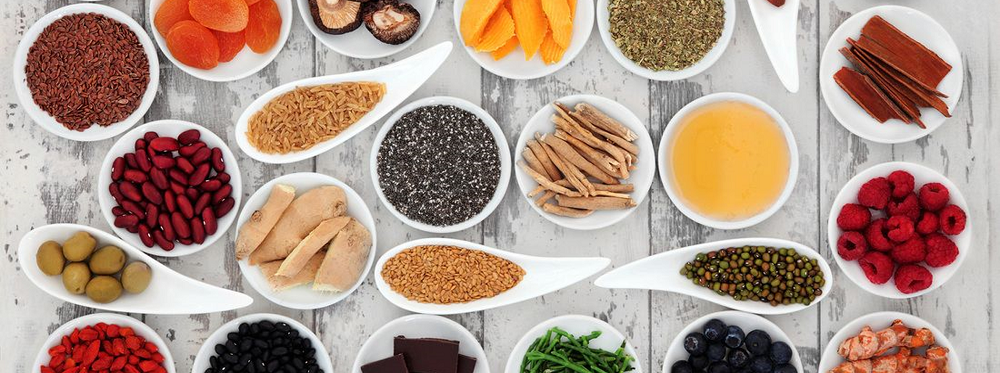
- 🦗 Edible insects (like crickets and mealworms)
- 🌿 Algae-based products
- 🍄 Fermentation-based proteins
- 🧪 New plant extracts
- 🥩 Cultivated (lab-grown) meat
The goal is to encourage innovation while protecting public health.
🧪 2. Why Novel Foods Matter
Novel foods are reshaping the food industry because they’re:
- More sustainable
- Protein-rich and nutrient-dense
- Suitable for alternative diets
- Produced with low environmental impact
With global populations increasing and environmental pressure rising, these foods offer smarter ways to feed the future.
🦗 3. Are Crickets a Novel Food?
Yes and they are one of the most promising ones.
Crickets and cricket flour have been approved as safe, regulated novel foods thanks to their:
- exceptional protein content (over 60%)
- essential amino acids
- B12, iron, calcium
- very low environmental footprint
They require:
- 2000x less water than beef
- 12x less feed
- minimal land
Crickets are one of the best examples of how novel foods can support a more sustainable food system.
🔍 4. How Does a Novel Food Get Approved?
The EU uses a strict process involving:
- Safety assessment by the European Food Safety Authority (EFSA)
- Verification of production methods
- Clear labeling requirements
- Monitoring for allergenic effects
This ensures every novel food you find on the market including cricket flour meets high safety standards.
🌱 5. Examples of Novel Foods You May Already Know
You’re probably already eating novel foods without noticing:
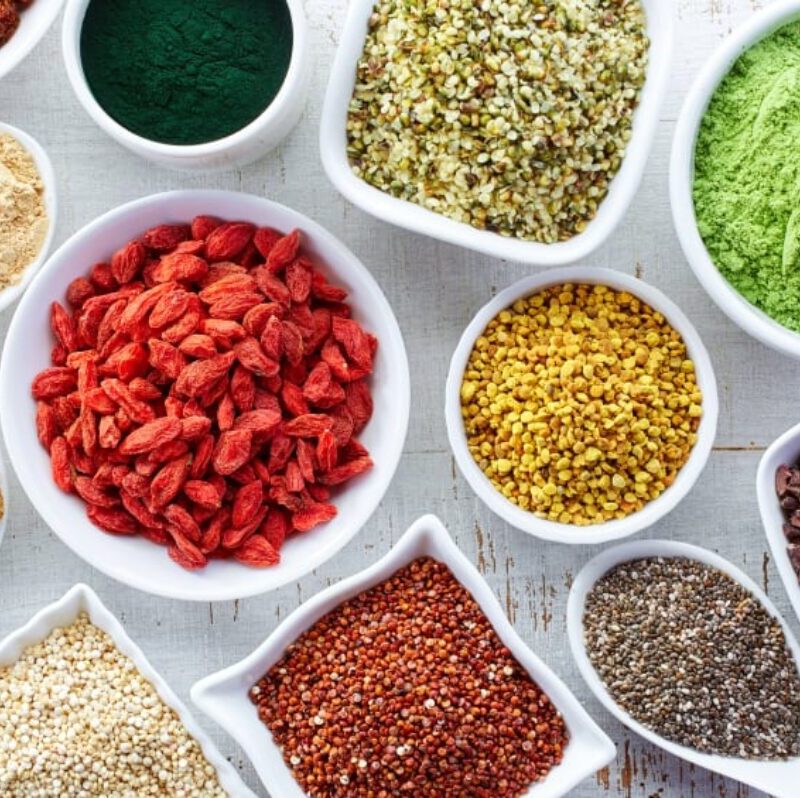
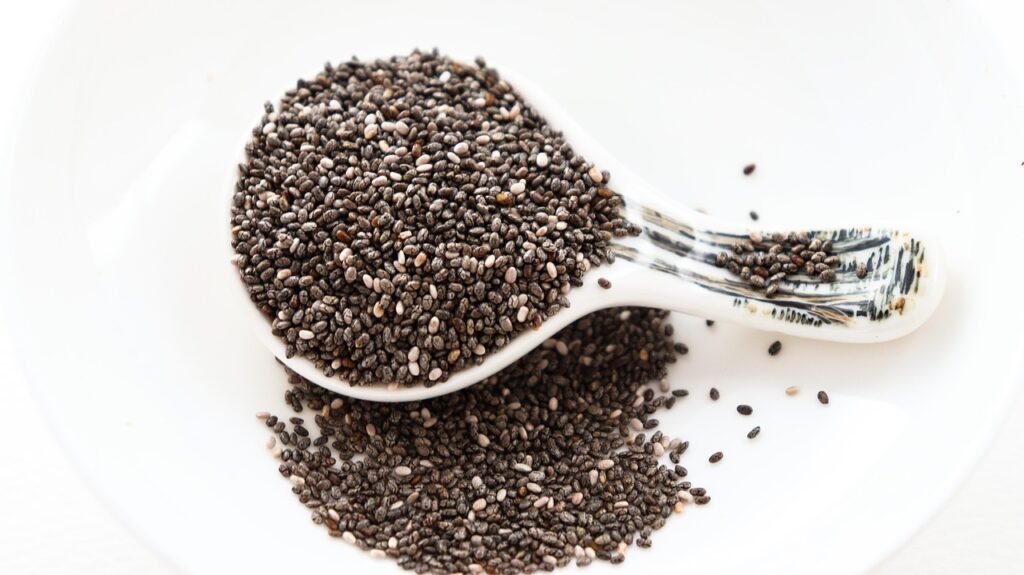
- Chia seeds
- Baobab powder
- Kombucha
- Spirulina
- Insect-based protein
- Fermented plant burgers
Novel foods aren’t just “strange” ingredients many have become mainstream over time.
🛒 6. Why Novel Foods Are the Future
Novel foods solve major issues in modern food production:
- 🌍 Reduce environmental pressure
- 📦 Enable highly efficient farming systems
- ⚡ Offer nutrient-rich alternatives
- 🌾 Reduce reliance on traditional livestock
As climate challenges intensify, innovative foods like insect protein will likely become a core part of sustainable diets.
📢 Call to Action
Curious to taste a real novel food?
Try our Cricket Protein Energy Balls or learn how to cook with sustainable proteins in our growing recipe collection!



I’ll immediately snatch your rss feed as I can not to find your e-mail subscription link or newsletter service. Do you have any? Please allow me recognise in order that I may subscribe. Thanks.