

🌱 Introduction
Feeding a growing global population while protecting the planet is one of the biggest challenges of our time.
Traditional livestock farming consumes massive amounts of land, water, and energy — and it’s a major contributor to climate change.
But there’s a solution that’s already gaining attention worldwide: eating insects.
While it may sound unusual to some, edible insects like crickets are proving to be one of the most sustainable, nutritious, and efficient food sources available today.
🐄 1. The Environmental Problem with Traditional Protein
Producing animal protein comes at a high environmental cost:
- Livestock farming is responsible for up to 15% of global greenhouse gas emissions
- Vast areas of land are used for grazing and feed crops
- Water consumption is extremely high
- Biodiversity loss continues to accelerate
As meat consumption rises globally, this model is simply not sustainable long-term.

🦗 2. Why Insects Are a Sustainable Alternative
Insects — especially crickets — offer an impressive solution:
- 🌍 Up to 80% fewer greenhouse gas emissions
- 💧 2,000x less water than beef
- 🌾 12x less feed than cattle
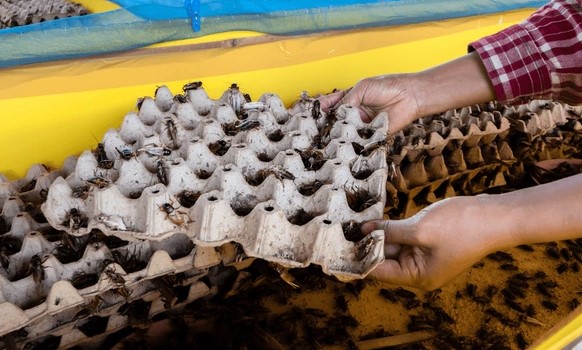
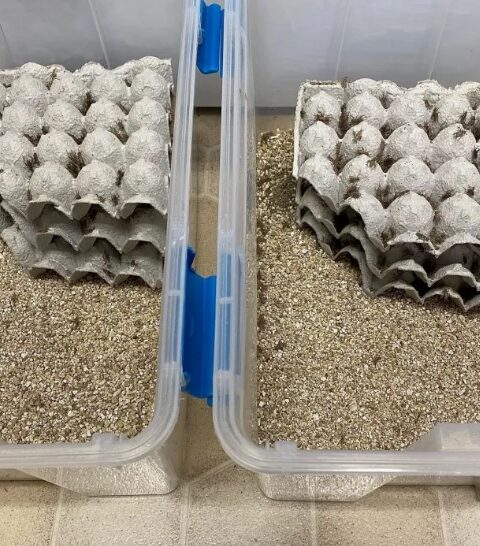
- 🏠 Can be farmed vertically in small spaces
Crickets convert feed into protein far more efficiently than traditional animals, making them one of the most climate-friendly proteins on Earth.
💪 3. Nutritional Benefits of Eating Insects
Beyond sustainability, edible insects are incredibly nutritious.
Crickets provide:
- Complete protein (all 9 essential amino acids)
- High levels of vitamin B12
- Iron, calcium, zinc
- Healthy fats like omega-3 and omega-6
Gram for gram, cricket flour often contains more protein than beef, with a much lower environmental footprint.

🍪 4. Taste: The Biggest Myth About Eating Insects
One of the biggest barriers is perception.
Many people imagine insects tasting “weird” — but in reality:
- Cricket flour has a mild, nutty flavor
- It blends perfectly into baked goods
- In most recipes, you can’t taste it at all
That’s why products like cricket pancakes, cookies, brownies, and energy balls are so popular with first-time users.

🌎 5. A Global Perspective: Insects as Food
Eating insects isn’t new — it’s actually very common worldwide.
Over 2 billion people regularly consume insects in:
- Asia
- Africa
- Latin America
In Western countries, insects are now being reintroduced in familiar formats like flour and protein powders, making adoption easier and more accessible.

⚖️ 6. Are Edible Insects Safe?
Yes.
In regions like the EU, insects such as crickets are approved as novel foods, meaning they undergo strict safety assessments.
Commercial cricket flour is:
- produced under controlled conditions
- clearly labeled
- tested for allergens and contaminants
As with shellfish, people with allergies should take precautions — but for most consumers, insects are perfectly safe.

🔮 7. The Future of Food Is Smaller Than You Think
As climate change intensifies and food demand grows, insect protein is expected to play a key role in:
- sustainable diets
- alternative protein markets
- circular food systems
Crickets won’t necessarily replace meat but they can significantly reduce our dependence on it.

Curious to try sustainable protein for yourself?
Start with our Cricket Flour Brownies, Protein Energy Balls, or explore our growing collection of cricket-based recipes.





Great site, i recommend it to everyone